
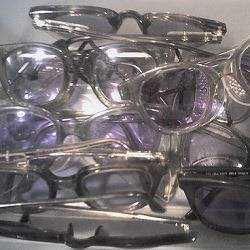
Some items, you may choose to purchase and own yourself. For example, if you often work in roles and environments where steel toe shoes are required, often it is expected, and more comfortable, if you own your own shoes that fit well. Some sites have optional “caps” you can wear over conventional shoes.
The point here is that you must always have the required PPE in order to perform the work. If you don’t, your agency cannot allow you to work.
Here are some basic guidelines.
- What you need. Ask what PPE is required. Be sure on day one you ask what PPE is required to safely perform the job you are assigned to. Don’t assume, or rely on someone else, just ask.
- Use it properly. Read instructions. Follow any use and care guidelines that accompany the PPE you are issued. If you don’t use or wear it correctly, it may not protect you when you need it.
- Have it with you. Whether your own, or company-issued PPE, you must have it with you for it to protect you on the job. Your employer will send you home and you could miss a day of work.
- Inspect it. Your PPE is protecting you. It’s your responsibility to maintain your PPE, whether you wear it or its part of the machine you are using – make sure it’s functioning properly.
- Keep it clean. PPE gets dirty. Clean it regularly to ensure proper function. Keep safety eye wear clean so you can see through it.
- Replace when worn. When your PPE wears out, replace it. Worn PPE such as steel toe shoes exposing their caps, or safety glasses that won’t stay on, are worn out. Replace it.
These are basic rules anyone can recall and perform a simple check every day arriving for work.
- What you need.
- Use it properly.
- Have it with you.
- Inspect it.
- Keep it clean.
- Replace when worn.
There are other job, workplace, and specialized-PPE rules you can add, but these basic 6 PPE rules will align your thinking with the intent of personal protection equipment, or PPE.
Barton Staffing Solutions works with clients to ensure that temporary employees experience a safe and productive environment that lowers risk for all parties, while ensuring maximum productivity and quality. Call our safety manager directly for an onsite safety audit. We’ll be glad to provide a second opinion on a number of topics including proper PPE.


